
In this article 7 sections
Last reviewed: 31 October 2026. Sources are linked in the text.
If you’re wondering where to buy gold in Canada, it can be purchased at various retail locations, including brick-and-mortar jewellery and bullion stores across the country, or online.
Buying online usually gives you a wider choice and makes it easy to compare prices and read customer reviews. The same federal rules apply online and in a shop: any dealer that buys or sells $10,000 or more of precious metals must follow FINTRAC’s anti-money-laundering requirements.
Below we cover the main places Canadians buy gold (the Royal Canadian Mint, the big banks and bullion dealers) and the checks to run before you buy from any of them.
Forms of Gold Investments
The right investment type for you depends on your goals, budget and how you plan to store the gold.
Here’s a breakdown:
Physical Gold: Bars, Coins, and Bullion
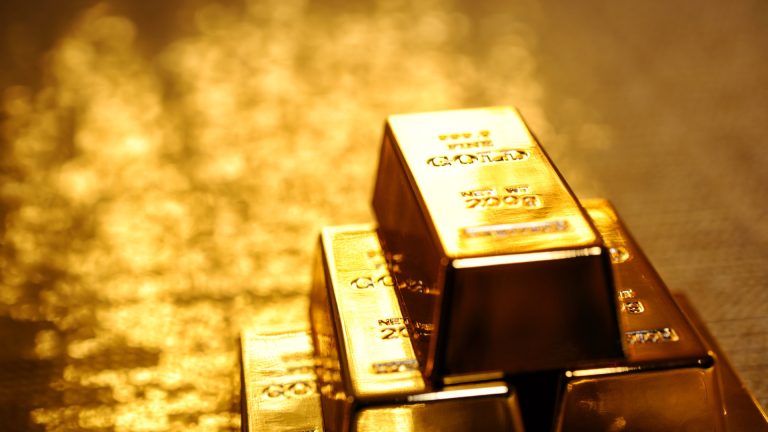
The most traditional form of gold investment, physical gold stands as a tangible asset that you can hold, see, and feel. Whether it’s in the form of intricate coins or hefty bars, this form of gold provides a sense of security to many:
- Bars: Often available in various sizes, gold bars cater to both large investors and those just starting out. They’re typically more straightforward in design compared to coins and come with purity and weight certifications.
- Coins: These can range from commemorative editions to bullion coins issued by national mints. Beyond their weight in gold, some coins might carry a numismatic value based on rarity, age, or design.
- Bullion: The general word for gold valued mainly for its metal content and purity, not its design or rarity. Bullion bars and bullion coins such as the Gold Maple Leaf both count, at any size.
Gold ETFs (Exchange-Traded Funds)
Gold ETFs offer a modern approach to investing in gold. Instead of holding metal yourself, you buy units of a fund. Some gold ETFs hold bullion in a vault, while others hold futures contracts or mining shares, so check what the fund owns. ETFs listed on a designated stock exchange can be held in an RRSP or TFSA. Units trade on the exchange much like stocks:
- An investor doesn’t need to worry about storage or insurance as with physical gold.
- Liquidity is high, allowing for buying or selling with ease.
- ETFs often mirror the price of gold, providing a near-accurate reflection of its market value.
Gold Mining Stocks
Diving into the world of gold mining stocks means you’re investing in the companies that mine the gold, not the gold itself.
It’s an indirect approach:
- Stock prices might reflect company performance and broader stock market trends, not just gold prices.
- Potential for dividends and capital appreciation.
- Requires understanding of the mining industry and associated risks.
In the vast realm of gold investments, each option comes with its intricacies and appeals. Whether you’re drawn to the tactile allure of a gold bar, the streamlined efficiency of an ETF, or the dynamic nature of mining stocks, understanding these choices ensures you’re well-equipped to make informed decisions.
Factors to Consider When Buying Gold in Canada
Investing in gold in Canada, much like in other parts of the world, requires thorough research and careful consideration.
After all, it’s not just about picking a type of gold investment but understanding the nuances that come with each.
Here are three factors to weigh when buying gold in Canada.
1) Purity
The purity of gold plays a pivotal role in its valuation. Gold’s purity is usually denoted in karats or fineness:
- 24 karat gold is considered pure gold, with no mix of other metals.
- Fineness refers to the gold’s purity in parts per thousand. For example, gold with a fineness of 999.9 means it’s 99.99% pure.
- It’s crucial to verify the purity, especially when buying physical gold. Look for certifications or hallmarks to ensure authenticity.
2) Storage and Security
Once you own gold, particularly in its physical form, the question of safekeeping arises. We’ll cover this in more detail in another section below.
3) Price and Premiums
Understanding the price dynamics can ensure you’re getting a good deal:
- Spot Price: This is the current market price at which gold is bought or sold for immediate payment and delivery. It’s a baseline figure investors should be familiar with.
- Premiums: On top of the spot price, dealers often charge a premium. This covers minting costs, distribution, and the dealer’s profit. Premiums can vary based on the type of gold product and the dealer’s policies.
Always compare prices among different dealers and ask about any extra charges. Gold bars, wafers and government-issued coins that are at least 99.5% pure are generally exempt from GST/HST. Gold jewellery and lower-purity gold are generally taxed.
Places to Buy Physical Gold in Canada
Royal Canadian Mint
Established in the early 20th century, the Royal Canadian Mint has been a cornerstone of Canada’s rich history. Tasked with producing the nation’s circulation coins, the Mint has since expanded its operations, standing today as a globally recognized institution renowned for its craftsmanship and innovation.
Beyond its role in producing circulation coins, the Royal Canadian Mint has an array of prestigious bullion products and collector’s coins:
- Bullion Products:
- Gold Maple Leaf: A flagship product known for its 99.99% purity.
- Silver Maple Leaf: Recognized for its quality and iconic maple leaf design.
- Platinum Maple Leaf: Another addition to the Maple Leaf family with 99.95% purity.
- Palladium Maple Leaf: A pure palladium coin with a beautiful finish.
- Numismatic Coins:
- Wildlife Series: Celebrates Canada’s rich biodiversity.
- Canadian Olympic Series: Coins commemorating Canada’s participation in the Olympics.
- Special Edition Coins:
- Anniversary Coins: Marking significant anniversaries of Canadian historical events.
- Commemorative Circulation Coins: Special edition coins that highlight Canadian milestones and icons.
The Royal Canadian Mint consistently offers products that are not only of high quality but also serve as meaningful tokens of Canada’s vibrant history and culture.
The Mint sells its bullion through registered Bullion DNA dealers, which it lists on mint.ca, and at its boutiques in Ottawa and Winnipeg. Many dealers and several banks also sell Mint products online.
Local Dealers and Shops
| Pros | Cons |
|---|---|
| No shipping costs or potential shipping delays. | Prices and stock vary from shop to shop, so call ahead. |
| Educational resources | Fewer payment options compared to online. |
| Instant possession of gold upon purchase. | Might pay higher premiums due to store overheads. |
| Can physically inspect the gold before purchasing. | Store timings can be restrictive. |
| Personal interaction and face-to-face negotiations. | Limited inventory compared to online dealers. |
Online Dealers
| Pros | Cons |
|---|---|
| Larger variety and inventory. | Can't inspect the gold in person before purchase. |
| Competitive pricing due to lower overheads. | Potential shipping costs and waiting times. |
| Offers and deals might be available. | Risk of online scams if not using reputable sites. |
| Convenient shopping, available 24/7. | Returns or exchanges may be slightly more complex. |
Factors to Consider When Choosing a Gold Seller
In Canada’s gold market, there are a variety of sellers offering a wide range of products. However, not every seller meets the gold standard when it comes to reliability and fairness.
To ensure that you’re dealing with a trustworthy seller and getting the best value for your investment, here are key factors to consider:
Credibility and Reputation
Your first step in choosing a gold seller should be verifying their credibility:
- Checks you can run: see whether the dealer appears on the Royal Canadian Mint’s list of registered Bullion DNA dealers on mint.ca, read its Better Business Bureau profile, and ask how it verifies identity when a customer pays $10,000 or more in cash, which federal anti-money-laundering rules require.
- Experience: Consider how long the seller has been in business. A longstanding history in the gold market can indicate a trusted business.
- Recognition: Awards or accolades from recognized industry groups can also be a sign of a seller’s credibility.
Price Transparency and Fairness
A good gold seller is transparent about their pricing:
- Clear Pricing: The seller should have clear and transparent pricing listed, with a breakdown if necessary.
- Market Rates: Their prices should align closely with the current market or spot price of gold, with reasonable premiums.
- No Hidden Charges: Be wary of sellers who have hidden charges or exorbitant fees that they don’t disclose upfront.
Customer Reviews and Feedback
In today’s digital age, customer reviews are a goldmine of information:
- Online Reviews: Websites like Trustpilot, Google Reviews, and the Better Business Bureau can offer insights into other customers’ experiences with the seller.
- Testimonials: Some sellers might have testimonials on their website, but always check for independent reviews for a more unfiltered view.
- Resolve: Pay attention to how sellers respond to negative reviews. It can provide an insight into their customer service approach.
Quality and Variety of Products
Your investment goals might evolve, and so might your preference for gold products:
- Product Range: A good seller offers bars and coins in several sizes from well-known refiners and mints. Gold ETFs are bought separately, through a brokerage account.
- Certified Products: Ensure that the physical gold products come with appropriate certifications, hallmarks, or guarantees of purity.
- Flexibility: The seller should cater to both large investors and those just starting out, offering products in various sizes and price points.
Storing Your Gold Investment in Canada
Gold’s allure isn’t just in its gleaming luster but also its storied history as a store of value. Once you’ve acquired this precious metal, the paramount question becomes: where do you store it?
You have a range of options:
Option 1: Home Storage
For those who like to keep their assets close, storing gold at home offers a sense of control. But there’s more to it than stashing gold bars in a drawer.
Keep in mind:
- Fewer people knowing equals less risk.
- While gold is resilient, avoiding extreme conditions can maintain its pristine state. Think protective casings or areas that are humidity-controlled.
- Investing in a quality safe, especially ones that are fireproof, waterproof, and can be bolted down, provides an extra layer of protection. And if you’re going for the clandestine route, wall or floor safes could be your best bet.
Option 2: Safe Deposit Box
Safe deposit boxes are a tried-and-true storage option. They are housed in banks and offer strong physical security.
Yet, they come with yearly fees and may not be insured for specific precious items, so it’s crucial to research all the details before committing.
Option 3: Professional Storage Services
Third-party vaults suit buyers who want professional security and insurance without keeping metal at home. If you buy online, ask the dealer whether it offers storage or works with a vault.
These aren’t just any regular storage units, they’re fortresses designed for valuables:
- Equipped with state-of-the-art security
- 24/7 monitoring
Services and fees differ by provider. Ask whether the vault audits holdings, what records you receive, whether your metal is stored separately from other customers’ metal, and how easy it is to get your gold when you need it.
Frequently Asked Questions About Buying Gold in Canada
Can I buy gold from a bank in Canada?
Yes. CIBC, RBC and TD sell gold bars and coins through their branches. CIBC and TD also sell online, and all three offer gold certificates. CIBC caps online purchases at $9,500 in 24 hours. BMO sells bullion through BMO Nesbitt Burns, BMO InvestorLine and BMO Private Bank, according to a Royal Canadian Mint article from October 2024. Scotiabank stopped selling precious metals in 2021. Bullion or certificates bought from a bank can be held in an RRSP or TFSA if the product meets CRA’s purity and producer rules.
Is it worth investing in gold in Canada?
Investing in gold in Canada, as in other countries, has its pros and cons. Gold can act as a hedge against inflation and currency fluctuations, providing portfolio diversification. Some investors hold gold because it has sometimes held its value when other assets fell. That has not happened in every downturn. However, gold doesn’t produce dividends or interest and its price can be volatile.
Can you buy 24 karat gold in Canada?
Yes, in Canada, you can buy 24 karat, pure gold from dealers, mints, and some banks. Always deal with reputable sources, and request a certificate of authenticity. Be mindful of current prices and fees.
Parting Words
We hope you’ve gained some valuable insight into where to buy gold in Canada.
As you consider purchasing gold in Canada, remember that while the medium of transaction has evolved, the principles of diligence, research, and secure storage remain paramount.
Compare the all-in price, check the seller, and decide how you will store the metal before you buy.
About this byline
Gold in Canada is written by an editorial desk, not a single person. We are not advisers, and nothing here is personalized investment, tax or legal advice. Who writes this
Spotted an error? Tell us. We fix pages in place and say what changed.